
How We Built a High-Traffic Blog Without a Marketing Budget
Back in 2021, I was working at a bootstrapped startup with zero marketing budget. Yet, we managed to drive massive traffic through content marketing. This wasn’t luck—it was a strategic, systematic approach that focused on SEO, valuable content, and smart placements. Here’s exactly how we did it.

1. Intensive Keyword Research

We didn’t write blogs randomly. Every topic was backed by solid keyword research. The process was simple:
- Identify relevant keywords – I’d look for high-volume, low-competition keywords that matched our niche.
- Analyze the top 10 results – I’d read every ranking blog, understand what they were covering, and note down the common themes.
- Remove the fluff – Most blogs included unnecessary filler or salesy content, which I stripped away.
- Refine the angle – Instead of repeating the same information, I focused on how our tool could fit naturally into the topic without making it feel like a forced pitch.
2. Writing the Right Types of Blogs for Growth
We didn’t just publish generic blogs—we used strategic blog formats that attracted high-intent readers. Here are the types of content that worked best for us:
(i) Comparison Blogs: "X vs Y"
We wrote in-depth comparison articles between our competitors and our tool. Examples:
- "Userflow vs Disbug: Which One is Better for Bug Tracking?"
- "BugHerd vs Marker.io vs Disbug: Which Tool Should You Use?"
These types of blogs worked because:
- They attracted buyers actively comparing tools.
- We positioned Disbug as a strong alternative by highlighting its advantages.
- We ranked for competitor names, getting traffic from people already interested in similar solutions.
(ii) Review & Alternative Blogs

Instead of just promoting our tool, we reviewed competitors and provided alternatives. Examples:
- "UserTesting Review: Pros, Cons, and Best Alternatives"
- "Best Bug Tracking Tools in 2021 (Disbug, Jira, and More)"
This helped us tap into branded search traffic while establishing credibility as an unbiased source.
(iii) Category Creation: Expanding the Market
One of our smartest moves was creating a new category instead of competing in an existing one. Instead of just calling Disbug a "bug tracker," we positioned it as a "visual feedback and collaboration tool."
We wrote blogs like:
- "Why Traditional Bug Tracking Doesn't Work & What You Can Do Instead"
- "A New Approach to Bug Reporting: Visual Bug Tracking"
By framing Disbug differently, we stood out and attracted users who weren’t actively searching for bug trackers but needed our solution.
(iv) Industry & Big-Picture Blogs
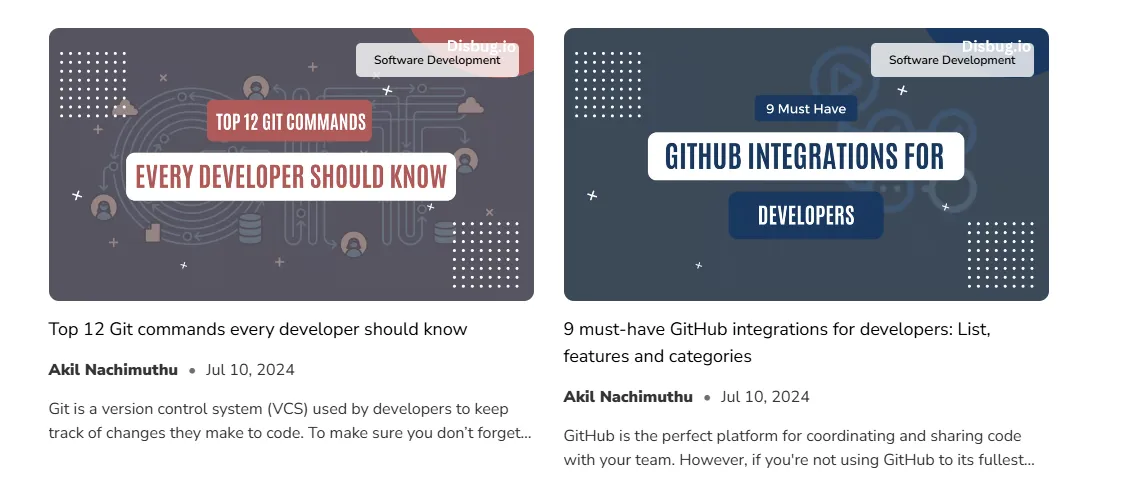
We didn’t just write about bug tracking—we covered bigger industry topics to capture a wider audience.
Some of our best-performing blogs included:
- "The Future of QA: How Testing is Evolving in 2021"
- "Types of Software Testing You Should Know"
- "Best Chrome Extensions for Developers & Testers"
These blogs helped us:
- Tap into broader search traffic beyond just bug tracking.
- Establish Disbug as a thought leader in software testing.
- Attract top-of-funnel readers who could later convert.
3. Smart Product Placement Without Being Salesy
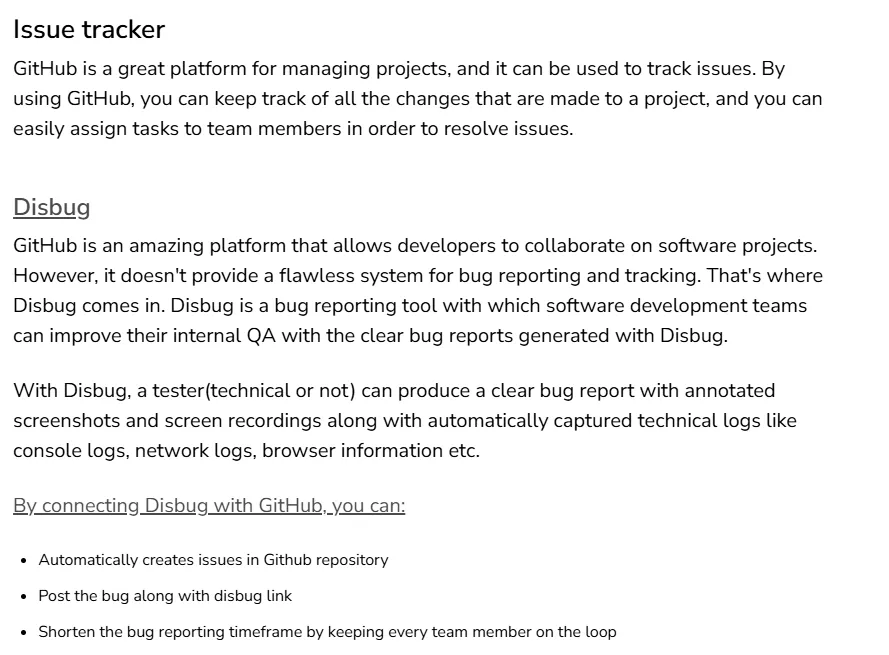
We weren’t just writing blogs—we were subtly integrating Disbug into them. Our strategy:
- Comparison blogs placed Disbug second or third to avoid looking biased.
- Alternatives lists included Disbug naturally alongside competitors.
- Educational content (like QA trends) referenced Disbug as a solution to modern testing challenges.
- Case study-like blogs subtly showed how Disbug could solve pain points without a hard pitch.
This made our blogs feel genuine, not promotional, which built trust and increased conversions.
4. Time-Blocking for Maximum Efficiency
Instead of writing one blog at a time, I dedicated a full week to content production:
- Research on Monday & Tuesday
- Writing on Wednesday & Thursday
- Editing, formatting, and publishing on Friday
Each blog was 2,500–3,000 words, well-researched, and packed with value. We didn’t publish once a month—we went all in, launching multiple blogs every single week to dominate our niche.
4. Keeping It Simple: No Fancy Words, Just Value
One of the biggest mistakes in content marketing is overcomplicating things. I followed a strict “8th-grade reading level” rule to make sure:
- No jargon, no fluff, just clear and valuable insights.
- Easy-to-read formatting with bullet points, headers, and infographics.
- Actionable content that gave users exactly what they were looking for—not just ranking for the sake of it.
I used Scalenut to analyze the readability and SEO optimization, ensuring every blog was primed to rank.
5. Cross-Checking with Multiple Sources
Before publishing, I made sure our blogs weren’t just “rewritten versions” of existing content. My process:
- Reading 10+ competitor blogs.
- Watching YouTube videos on the same topic.
- Gathering insights from real user discussions (Reddit, Twitter, LinkedIn, Quora).
By mixing all these inputs, we created blogs that didn’t just rank—but actually helped users.
6. SEO Best Practices: Structure Matters
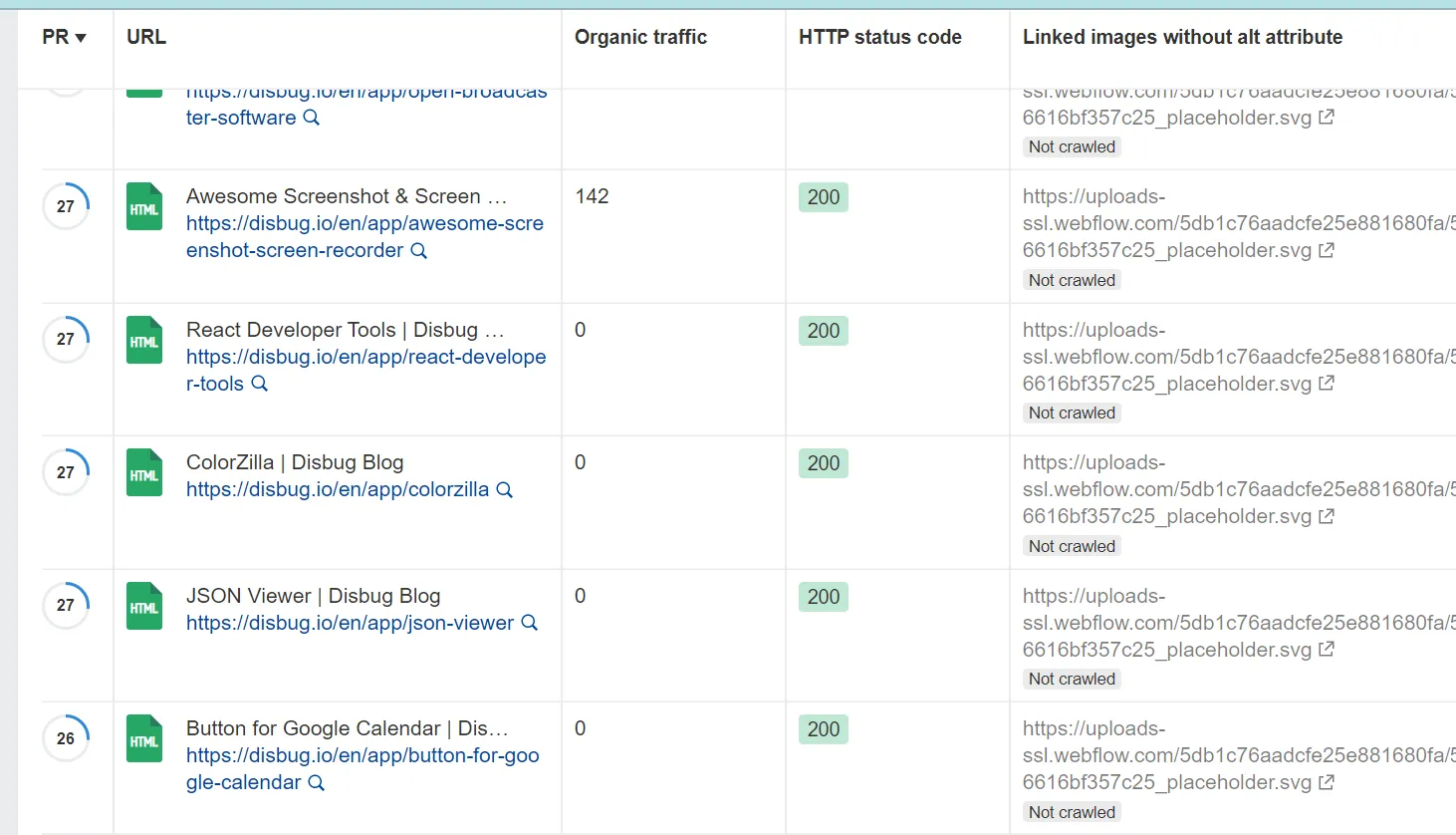
We didn’t just dump words on a page. Every blog followed a SEO-friendly structure:
- H1: Keyword-rich, engaging title
- H2s & H3s: Logical breakdown of topics
- Meta descriptions: Crafted for click-throughs
- Internal linking: Connecting related articles for better navigation
- Infographics & images: Visual aids to improve readability
Within 1-2 months, our blogs started ranking, and organic traffic kept increasing.
7. The Results? A Thriving Blog That Drove Signups
By following this content strategy, we:
- Increased organic traffic significantly (despite no paid promotions).
- Ranked for competitive industry keywords.
- Drove actual signups and conversions, not just empty traffic.
This blog strategy became a core part of our growth—and even led to monetization opportunities as other companies wanted to be featured in our blogs.
Final Takeaway
AI may have changed content marketing, but high-quality, well-structured content will always win. If you’re a startup looking to grow without a huge budget, try:
- Smart keyword research
- Time-blocked writing sprints
- Natural product integrations
- Simple, value-packed content
This strategy worked for us in 2021, and with the right execution, it can still work today.