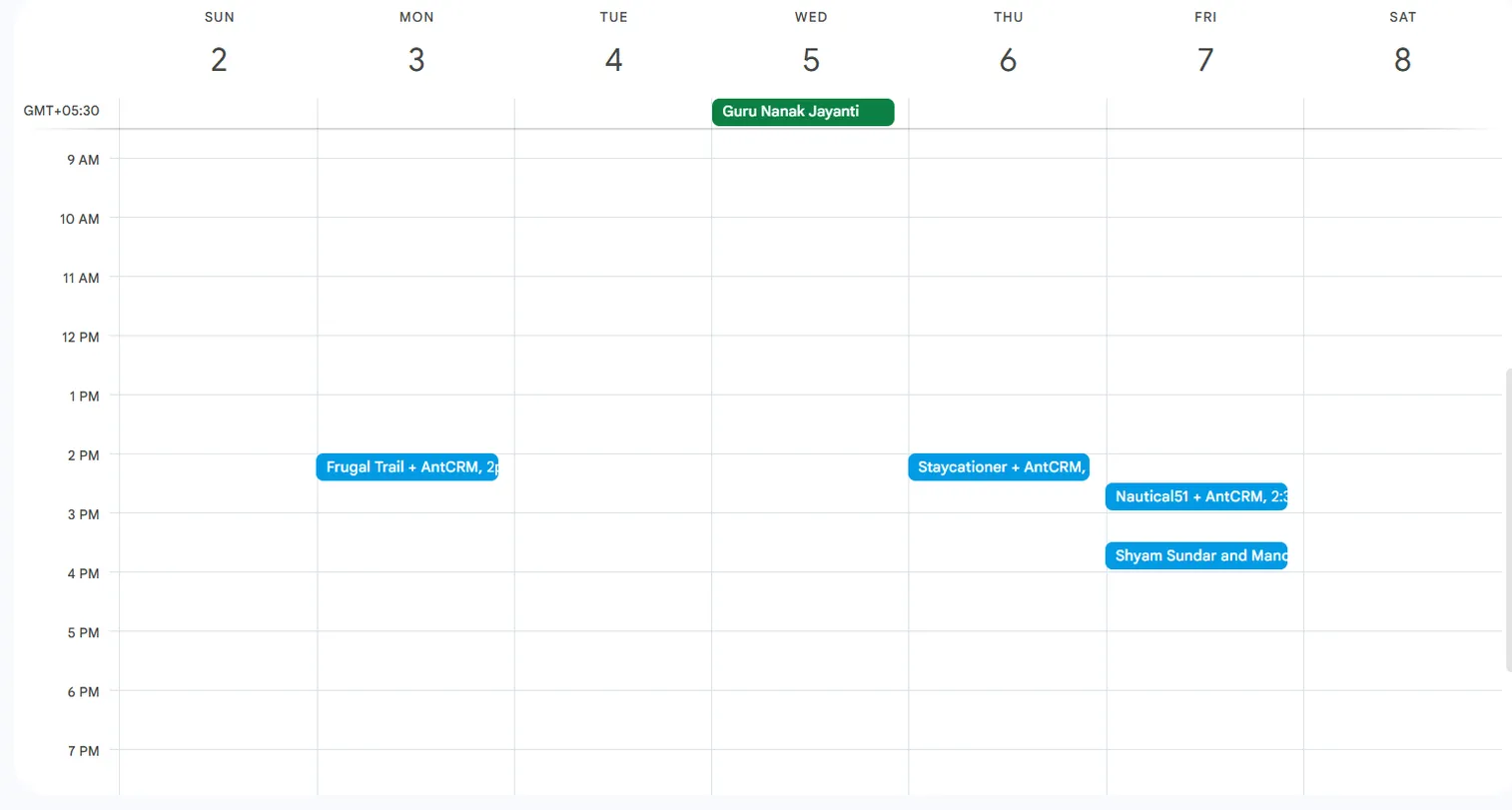
How We Booked 3–4 Demos/Week Using Founder-Led LinkedIn Outreach
Selling a long sales-cycle product requires a steady pipeline, not aggressive sales tactics. For AntCRM, our WhatsApp-first CRM, we needed a predictable way to generate qualified demos without resorting to mass cold outreach or disconnected ads.
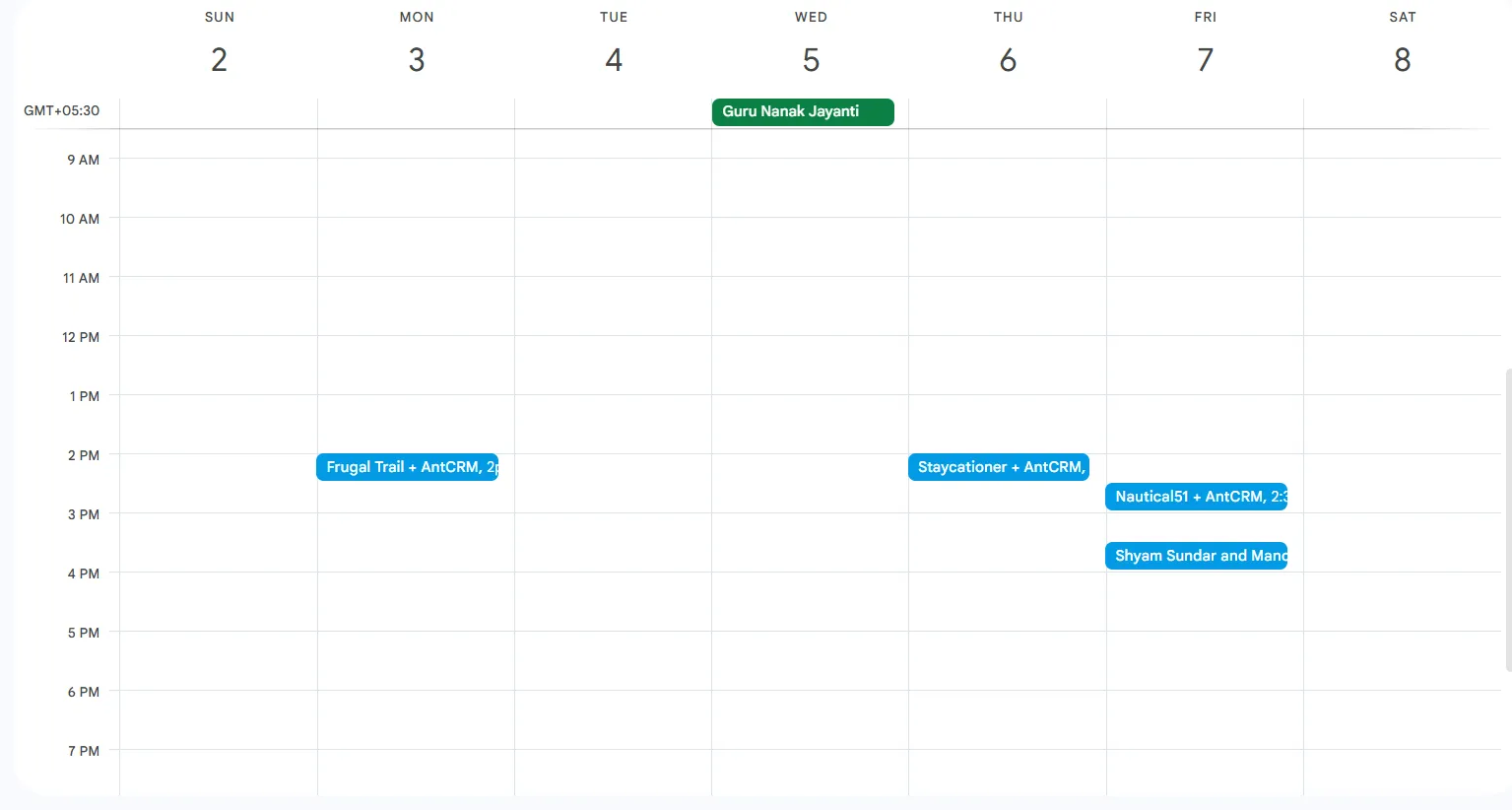
This case study breaks down exactly how we built an industry-specific outreach system, how we used the founder’s LinkedIn profile to spark conversations, and how this translated into a consistent flow of 3 to 4 demos every week.
About AntCRM
AntCRM is designed for teams that run their operations on WhatsApp. Most customer-facing businesses today receive inquiries, answer questions, share reminders, send payment links and schedule calls through WhatsApp. But when the volume increases, everything becomes chaotic.
AntCRM solves this by offering businesses a CRM that works naturally with WhatsApp. The communication continues on WhatsApp, while the backend CRM manages lead capture, lead assignment, notes, follow-ups, payments and pipeline visibility.
This clear value proposition set the foundation for relevant outreach.
Step 1: Defining ICP Buckets With High WhatsApp Dependency
The first strategic decision was to divide the audience into tight ICP buckets based on industries that heavily depend on WhatsApp for daily operations.
We selected three primary industries:
-
Travel and Adventure
High inbound inquiries, lots of back-and-forth customer conversations on WhatsApp.
-
Real Estate
Builders, brokers and realtors handle walk-ins, portal leads and referrals, almost all on WhatsApp.
-
Hospitals, Clinics and Healthcare Providers
Appointment scheduling, confirmations, reminders and follow-ups happen through WhatsApp.
This segmentation gave us extremely clear messaging angles for each group and avoided generic outreach.
Step 2: Starting With Travel – 1,000 Curated Prospects
We began with the travel industry by collecting around 1,000 manually reviewed LinkedIn profiles. Each profile was checked for relevance so that the outreach stayed meaningful.
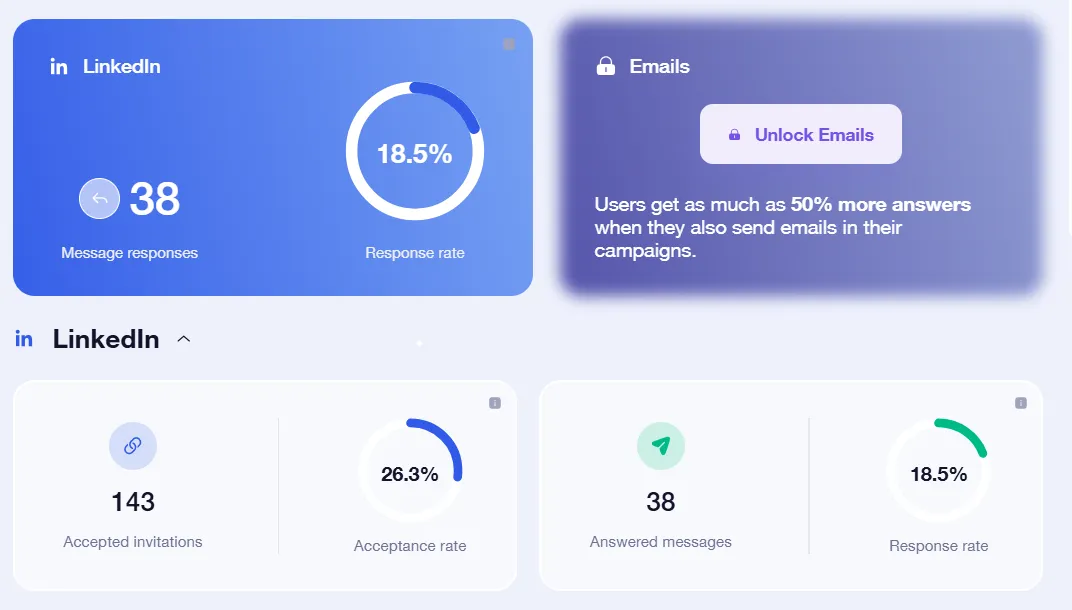
The outreach sequence was simple:
- Connection request from the founder’s LinkedIn profile
- A short, human message highlighting the real operational chaos that travel teams face on WhatsApp
- A friendly nudge about how AntCRM simplifies exactly that
- No long pitches
- No corporate tone
This approach didn’t feel like spam. It felt like a founder sharing an observation with someone who experiences the problem daily.
Step 3: The Turning Point — A Message That Validated Everything
Responses began coming in within days. The key moment came when one prospect replied:
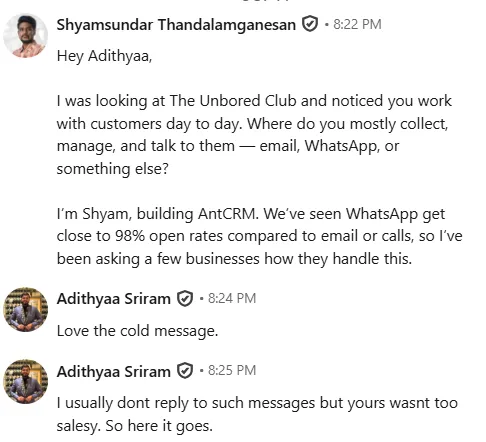
That reply was important because it confirmed that the tone worked. The messaging was relatable, specific, and respectful. And that person booked a demo as well.
This clarity helped us continue with confidence.
Step 4: Scaling the Same Strategy Across Other ICPs
Once the travel segment showed consistent conversions, we repeated the same outreach framework across the real estate and healthcare segments.
The core principles stayed the same:
- Founder-led outreach
- Industry-specific messaging
- Short messages
- Clear articulation of daily WhatsApp problems
- No aggressive follow-ups
This helped us consistently book 3 to 4 demos every week, even though AntCRM is not a short sales-cycle product.
Why This Strategy Worked
Looking back, several elements aligned to make this outreach genuinely effective:
-
Highly relevant ICP segmentation
The message always matched the user’s daily workflow.
-
Founder-led trust factor
People respond more openly when a founder reaches out.
-
Human-sounding messages instead of templates
The tone felt real, not automated.
-
Clear problem → solution connection
Prospects immediately understood why AntCRM mattered.
-
Respectful follow-ups
Gentle nudges kept the conversation alive without irritating people.
What We Are Focusing on Next
This case study is only the beginning of our outbound system. Based on these results, we are now expanding into:
- Industry-specific landing pages
- Stronger founder-led content
- Early customer case studies
- Messaging frameworks based on industry “micro pains”
- More refined automation sequences
The core lesson from this experiment is simple. When outreach is relevant, personal and respectful, people are more than willing to talk, even on a crowded platform like LinkedIn.