How We Successfully Launched Two B2B Startups in One Year: The Disbug Story
Launching a successful B2B startup isn’t just about building a great product—it’s about positioning, marketing, and making people realize they need it. Between 2021 and 2022, we launched Disbug and Bullet.so, both of which became highly successful in their categories. In this blog, I’ll break down exactly what we did to take Disbug from an MVP to a fast-growing product.
Step 1: Market Research & Identifying the Gap
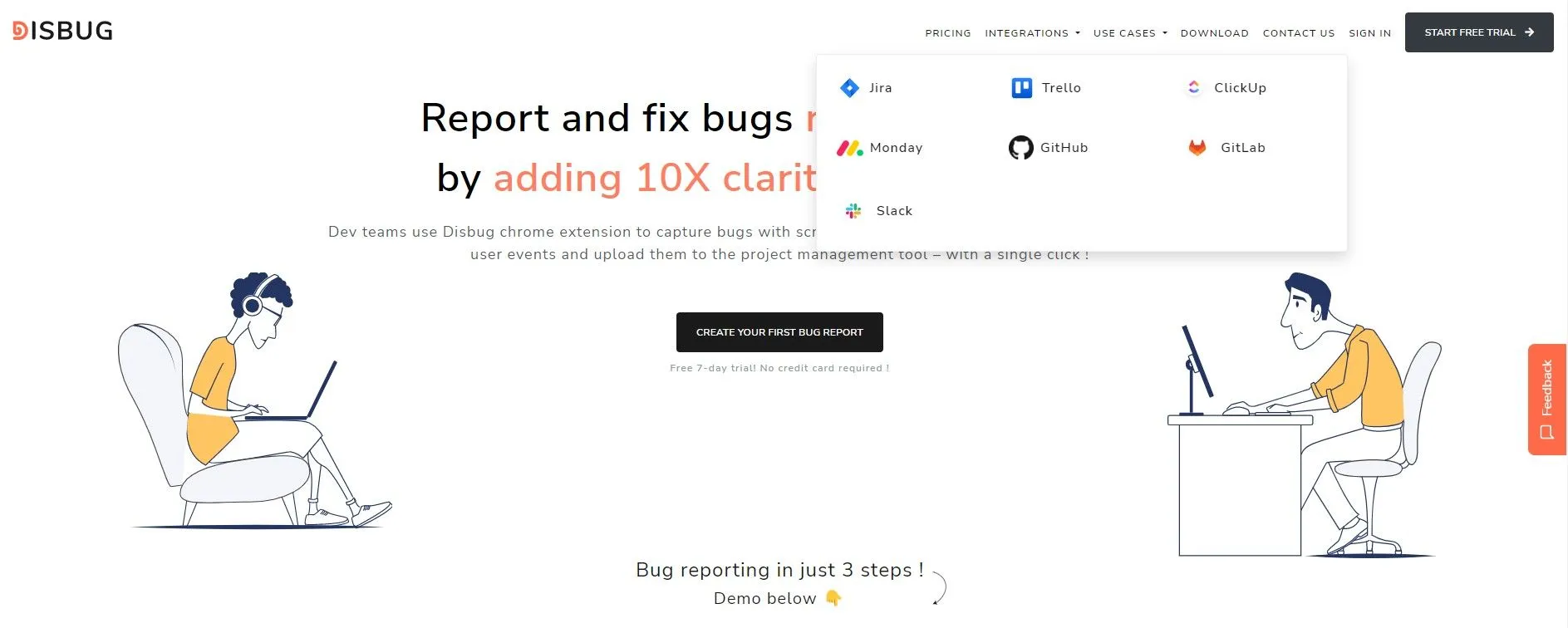
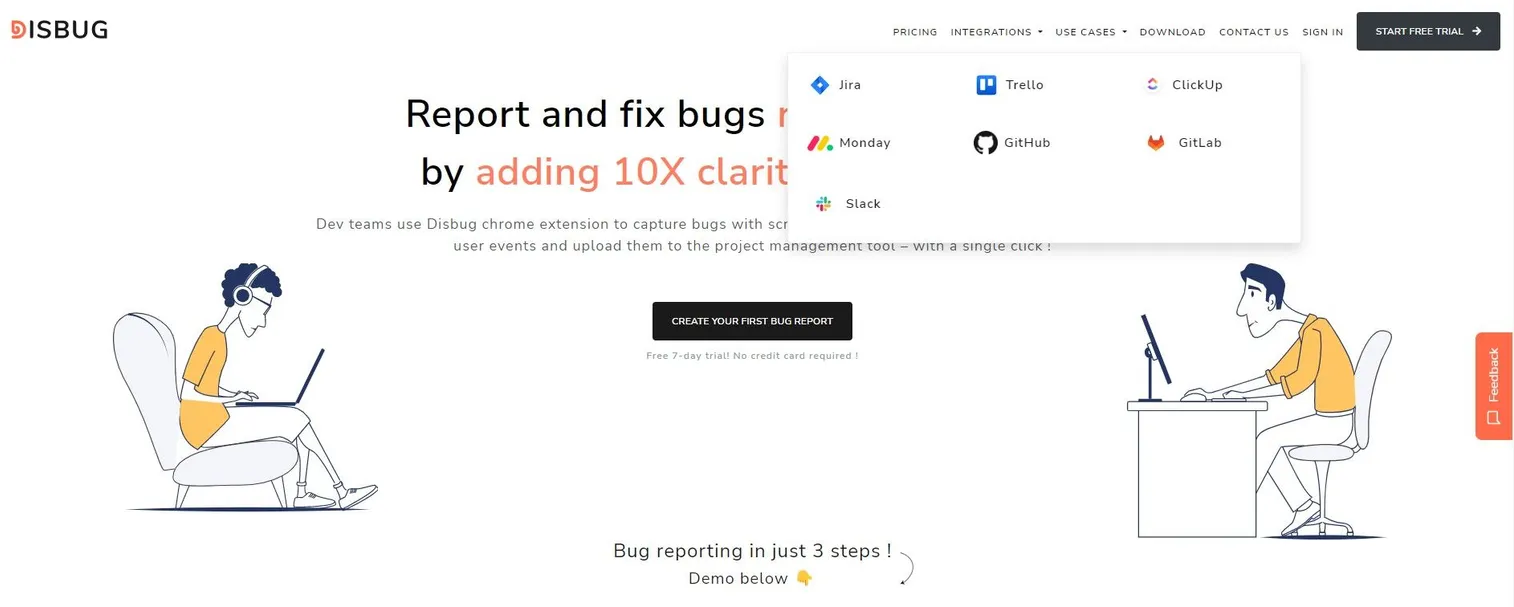
Disbug was already in development when I joined, but the first thing I noticed was a problem with its positioning.
- Initially, Disbug was marketed as a bug reporting tool—which made sense, but it wasn’t compelling enough.
- The reality? Developers and testers were already used to their manual bug reporting workflows.
- Just calling it a bug reporting tool wouldn’t convince people to switch from their existing methods.
So instead of competing in an existing category, we created a new category.
Step 2: Repositioning the Product for Product-Led Growth (PLG)
The Old Workflow vs. The Disbug Workflow
Before Disbug, here’s how most teams handled bug reporting:
- A tester finds a bug.
- They take a screenshot manually.
- They open an Excel sheet, Jira, or Trello.
- They write down the details, add the screenshot, and report the bug.
- A developer sees it and tries to reproduce the issue (which is often unclear).
- The developer requests clarification, and the tester has to explain again.
This was time-consuming, inefficient, and frustrating.
But here’s what Disbug did instead:
- The tester finds a bug.
- They annotate it instantly on the website using Disbug’s tools.
- They submit it directly to Jira, Trello, Slack, or other integrations.
- The developer receives a clear, interactive bug report—with no extra explanation needed.
Result:
✅ Bugs were reported in seconds, not minutes
✅ Developers understood issues without back-and-forth conversations
✅ Teams saved time, money, and frustration
Step 3: Creating Urgency by Highlighting the Pain Point
The biggest challenge? Most teams didn’t realize this was a problem.
- Since they had always done bug reporting the manual way, they didn’t think there was a better alternative.
- So, instead of just telling them Disbug was useful, we showed them the pain point powerfully.
How We Did It:
- Clear Messaging on Our Website
- Instead of saying, “Disbug is a bug reporting tool,” we focused on how much time and money it saves.
- Example: "Still wasting hours on manual bug reports? Disbug cuts that time in half."
- Simple GIFs & Visuals
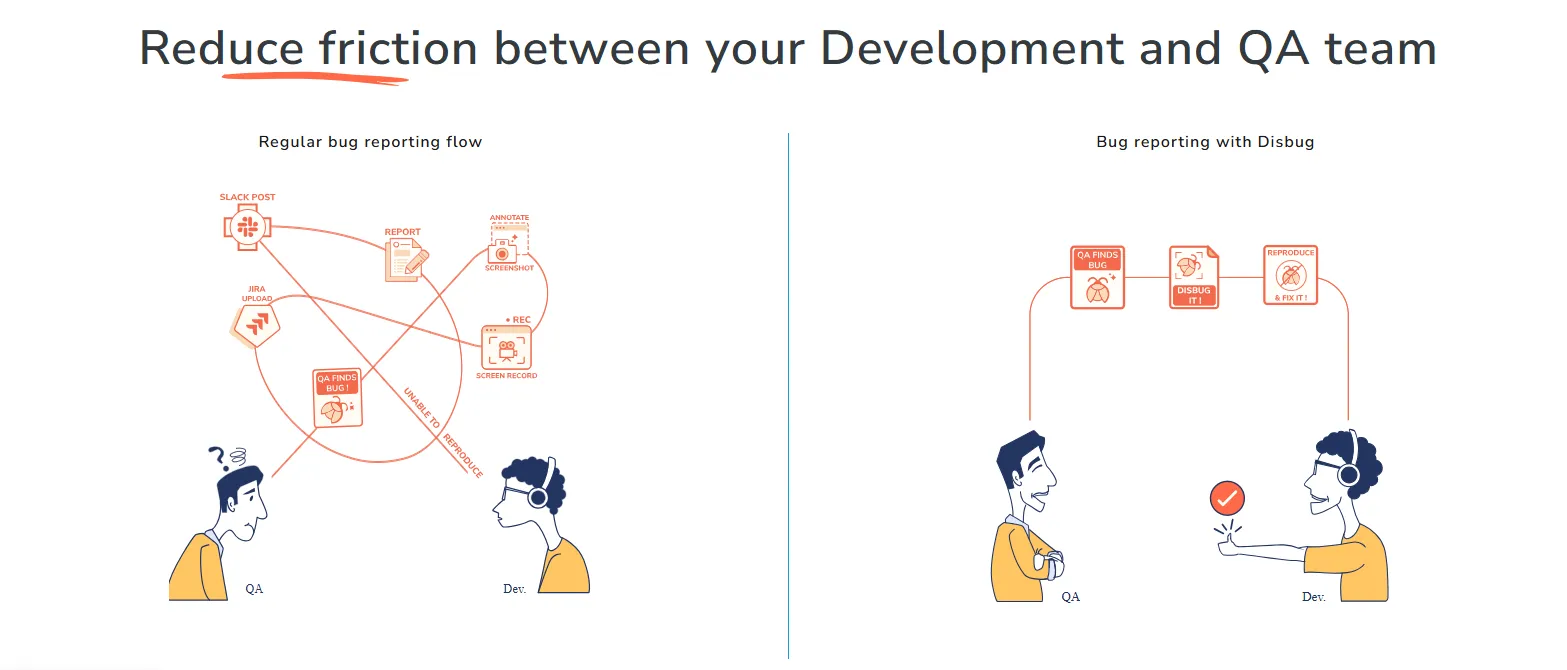
- We added GIFs on the homepage showing how easy it was to report a bug with Disbug vs. the traditional method.
- Broader Positioning for a Bigger Market
- Instead of just calling Disbug a bug tracker, we positioned it as:
- A screenshotting tool (competing with Awesome Screenshot, Nimbus, etc.)
- A developer-friendly Chrome extension
- A collaboration tool for QA teams
- Instead of just calling Disbug a bug tracker, we positioned it as:
By broadening the scope, we increased our potential user base beyond just testers.
Step 4: Leveraging Integrations for Organic Growth
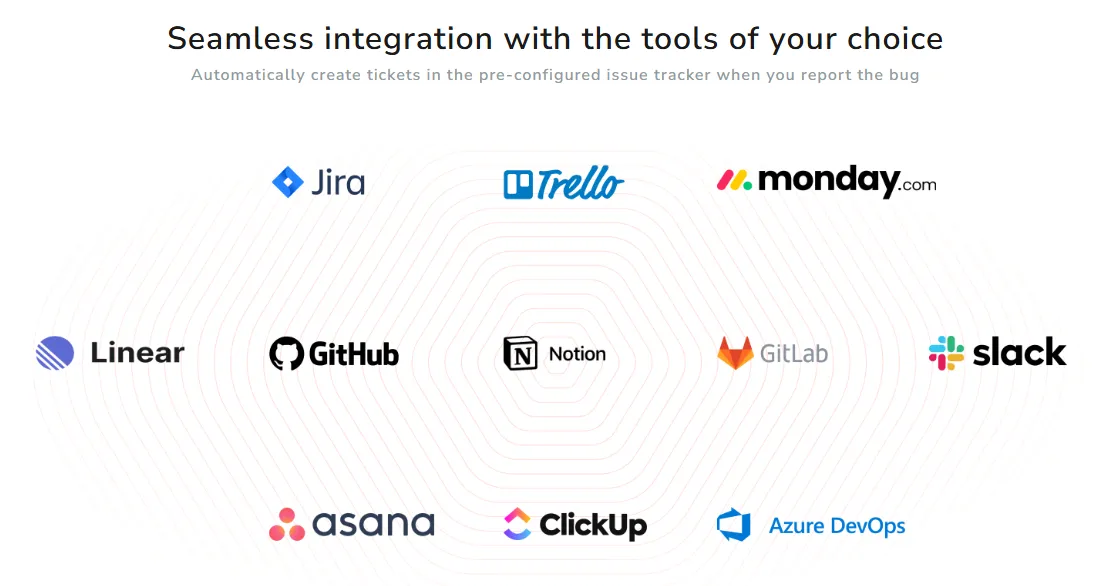
Another game-changing strategy was leveraging Disbug’s integrations.
Since most teams already used Jira, Trello, Slack, and Monday.com, we positioned Disbug as:
- A must-have add-on for those tools
- A way to improve workflows they were already using
We created SEO-focused content around this:
- “5 Must-Have Tools for Jira”
- “Best Chrome Extensions for Testers”
- “Essential Trello Plugins for Agile Teams”
This way, even if people weren’t searching for a new bug tracking tool, they discovered Disbug while looking for ways to optimize their existing stack.
Step 5: Freemium Model for Rapid Adoption

We made Disbug free forever for small teams, with a premium upgrade available.
Why?
- A free plan lowered the barrier to entry—users could try Disbug without risk.
- Once teams started using it, Disbug became an essential part of their workflow.
- Eventually, as their teams grew, they upgraded to paid plans.
This PLG (Product-Led Growth) strategy helped us get hundreds of teams using Disbug quickly.
Step 6: Marketing & Growth Strategies That Worked
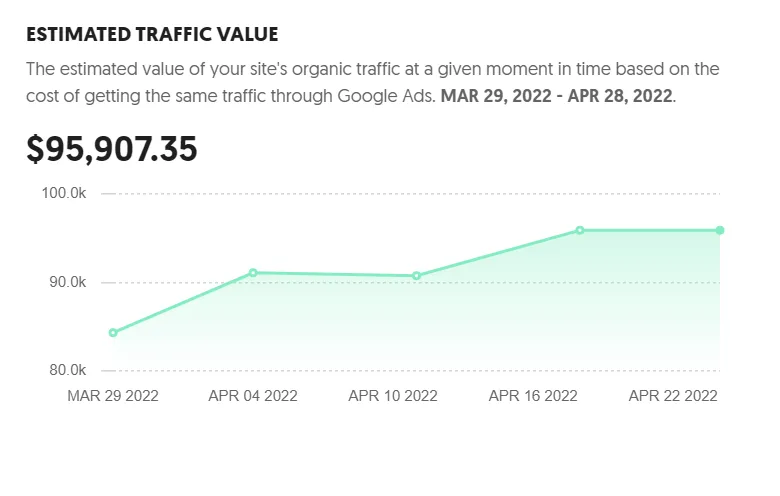
To drive signups, we executed:
- Programmatic SEO
- We launched hundreds of targeted SEO pages to rank for high-intent keywords.
- Example: "Best Chrome Extensions for Bug Tracking," "How to Improve Jira Workflows," etc.
- Product Hunt Launch
- We launched on Product Hunt, got hundreds of upvotes, and ranked as a top product for the day.
- Community Outreach
- We engaged in developer and tester communities, answering questions and recommending Disbug when relevant.
- Cold Outreach to Targeted Niche Users
- We directly reached out to product managers, QA testers, and dev teams who could benefit from Disbug.
The Results: 100,000 Visitors & a Thriving Product
With this strategy, Disbug:
✅ Reached 100,000+ visitors
✅ Gained thousands of active users
✅ Became a recognized name in the bug tracking space
The best part? This all happened organically, without a huge marketing budget.
Final Takeaways
Launching a B2B startup successfully isn’t just about the product—it’s about:
- Finding the right positioning (creating a new category instead of competing in a crowded one).
- Highlighting the problem powerfully (showing users what they’re missing).
- Leveraging integrations and SEO (meeting users where they already are).
- Using a freemium model for adoption (letting people try before they buy).
- Executing smart marketing tactics (SEO, Product Hunt, and community engagement).